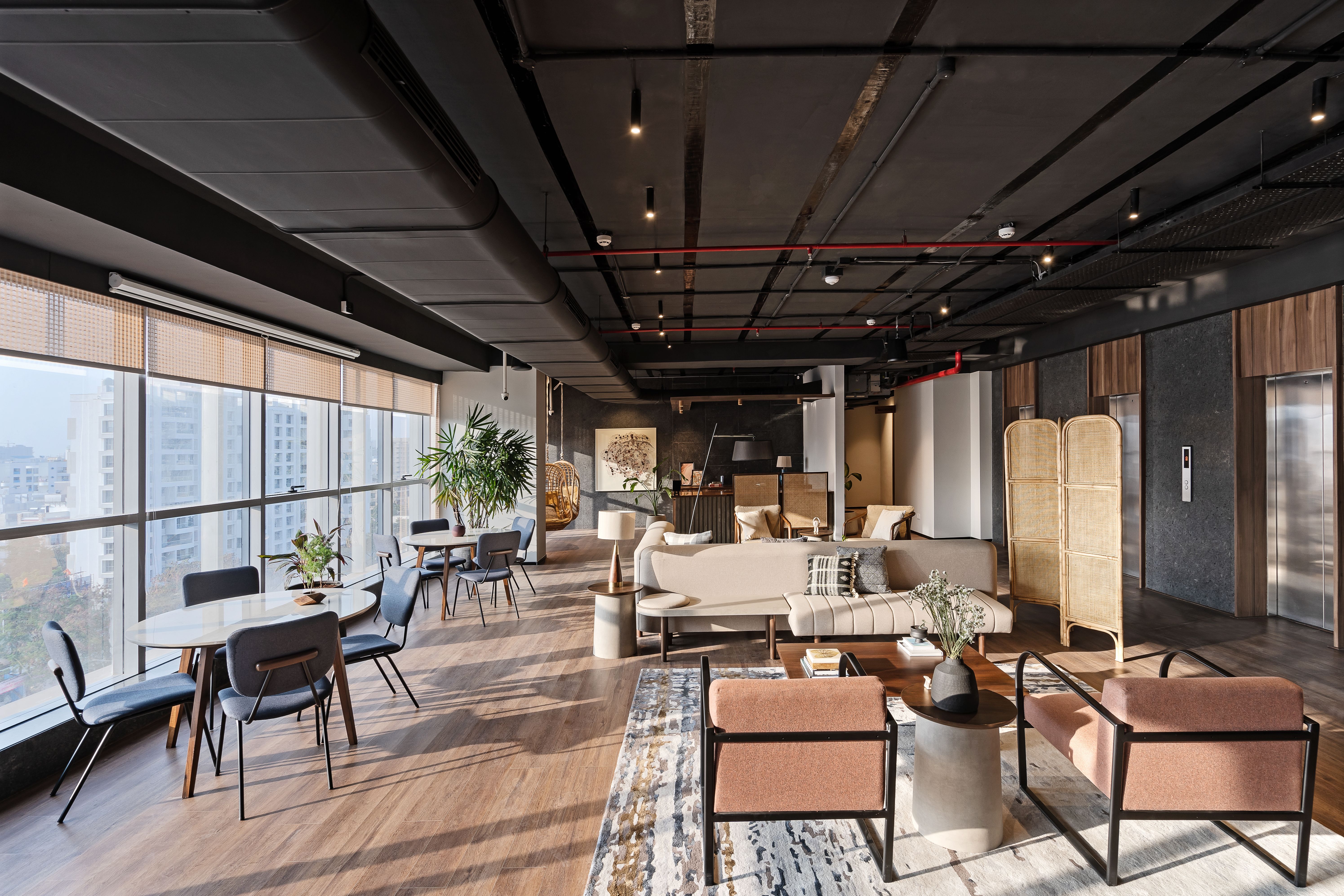
By now, most offices know how to stage a good first impression. It’s the post-lunch version that tends to expose the cracks.
The lobby smells great. The coffee machine is imported. There’s a six-foot plant wall behind reception. The walkthrough goes well. Everyone nods approvingly at the breakout areas.
And then the actual workday begins.
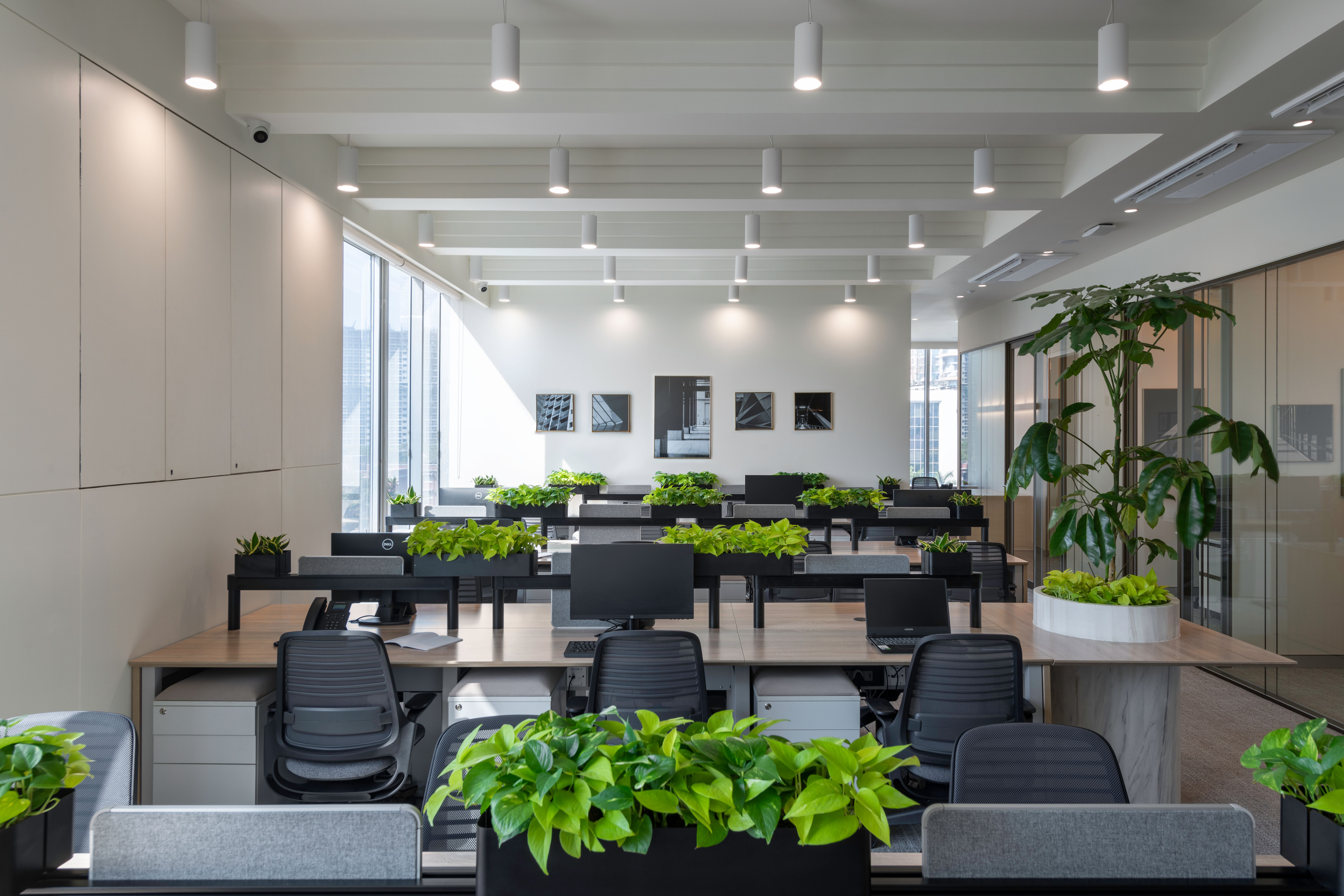
A few weeks in, someone mentions they feel oddly tired every afternoon. Another person starts taking calls from the staircase because the floor suddenly feels noisy. The office still looks premium. It just doesn’t feel particularly good to spend ten hours in.
Beautiful office. Tough Tuesday. Both can exist at the same time.
Somewhere along the way, “wellness design” became three plants, a pendant light, and sparkling water in a glass dispenser.
But biophilic design was never really about decor. It’s about designing a workspace around how people naturally feel, focus, recharge, and work through the day. And interestingly, the things that shape that experience most are usually the least visible during the tour.
Take daylight.
Most offices will proudly point to floor-to-ceiling windows. Fair enough. But where does the light actually reach at 2 p.m.?
Because on many office floors, natural light fades surprisingly quickly, leaving large parts of the team working under artificial lighting all day without fully realising it.
You can usually tell within a few hours whether a workspace was designed for people or for renders.
Studies have consistently linked daylight exposure to better sleep, stronger focus, and improved wellbeing. Which honestly makes sense. The body can tell the difference between daylight and what feels like corporate refrigerator lighting from 9 a.m. to 7 p.m.
Then there’s acoustics.
You know that feeling when an office isn’t technically loud, but you still feel mentally exhausted by lunchtime?
That’s usually sound fatigue.
Hard flooring. Echo-heavy ceilings. Constant low-level chatter. Chairs moving. Meeting room spillover. Individually, none of it sounds dramatic. Together, it slowly chips away at concentration across the day.
The office tour was excellent. The acoustics sounded like an airport food court.
Good workspace design softens that experience quietly through better zoning, more thoughtful layouts, sound-absorbing materials, and spaces designed for different work modes instead of one giant open floor where everyone is simultaneously on a call.
Air quality works similarly.
Most people only notice it when it’s bad. But over long workdays, ventilation and filtration have a real impact on how alert and comfortable a team feels indoors, especially in cities where outdoor conditions fluctuate heavily through the year.
Most modern offices know how to look expensive now. Fewer know how to make a nine-hour workday feel lighter.
Which is why workspace selection today has to go beyond aesthetics.
The best offices don’t just impress visitors for ten minutes. They support the people using them every single day.
So before signing a lease, it’s worth asking a few things that don’t usually make it into the sales deck:
- Where does daylight actually reach?
- How does the workspace feel later in the day?
- What’s been done to manage acoustics and indoor air quality?
- Would your team still enjoy working here on a random Wednesday in August?
Across UrbanWrk’s IGBC Platinum-certified centres in key Indian business hubs, these principles are considered part of the everyday workspace experience, not just visual add-ons. In our workspaces, naturally lit work zones, quieter focus areas, and thoughtfully planned layouts are designed around how teams work through the day, not just how the office looks in photos.
Because what matters isn’t how the office opens the day.
It’s whether your team still feels good being there at 4 p.m.
Experience how a workspace holds the day at UrbanWrk. Schedule a free tour or request a day pass.
Click here to know more.
Sources: Interface Global Human Spaces Report | Springer