Most offices mark a festival with a few decorations in the lobby. People walk past them, and a few days later, they’re gone.
At UrbanWrk, Ganesh Chaturthi looked a little different.
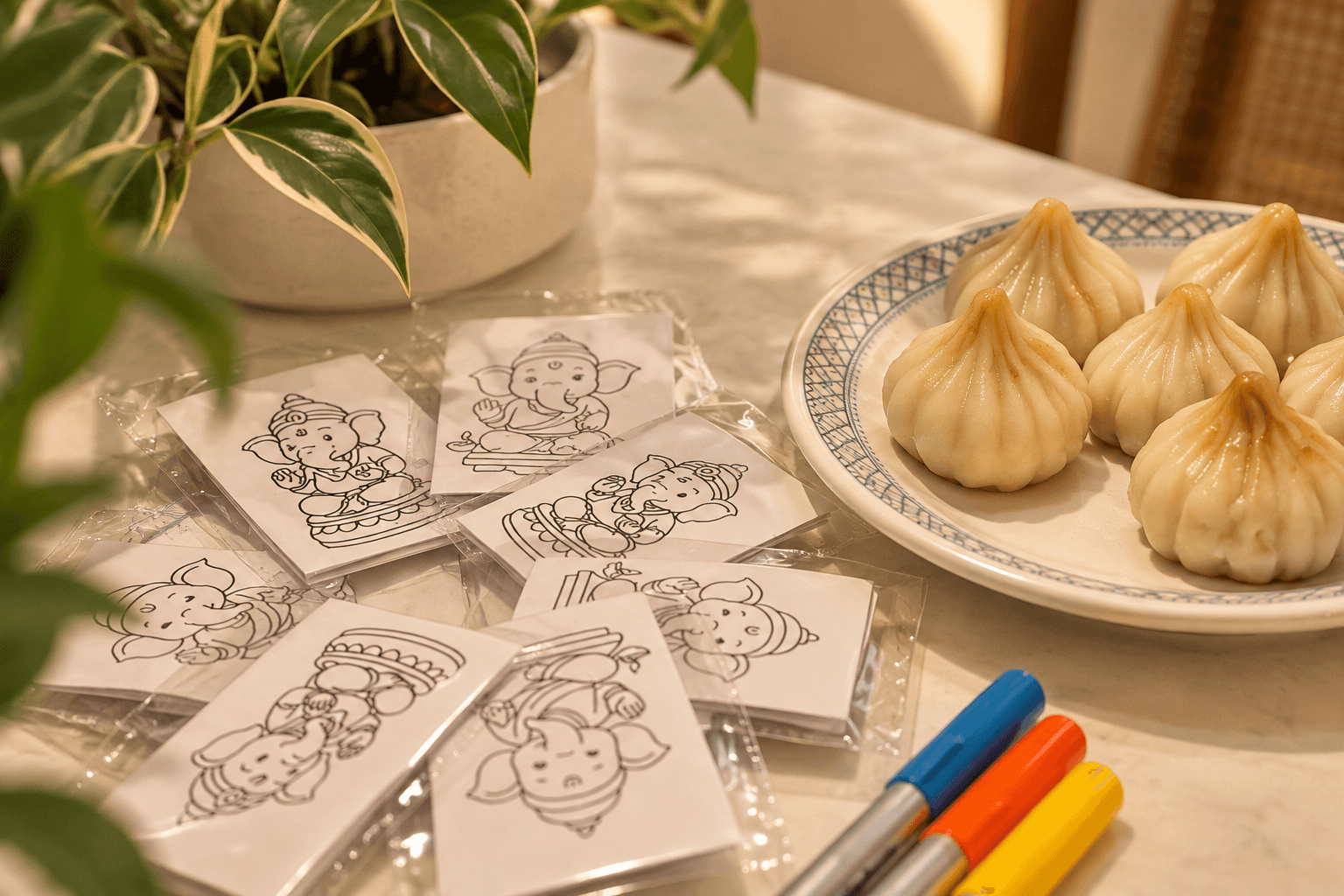
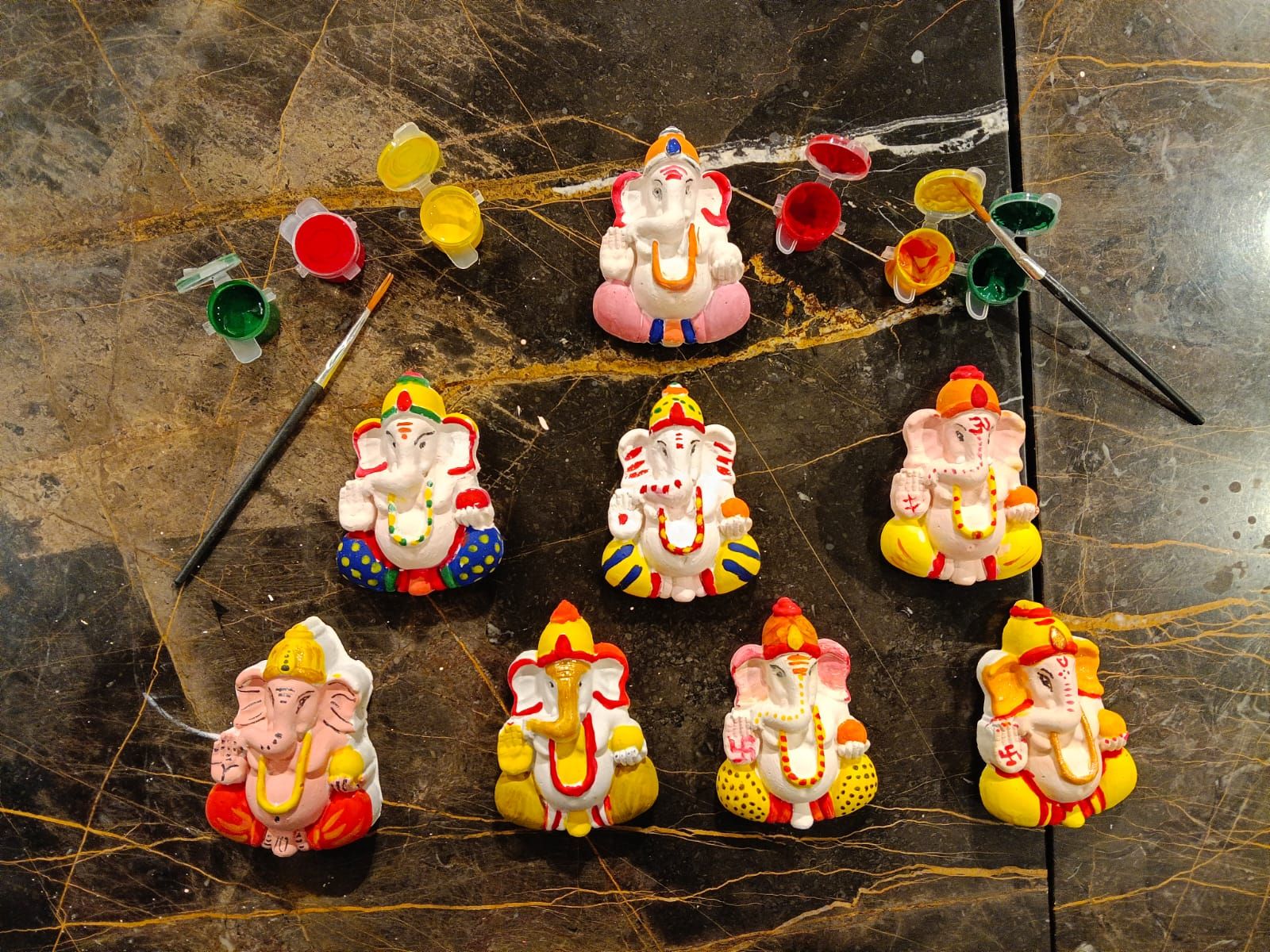
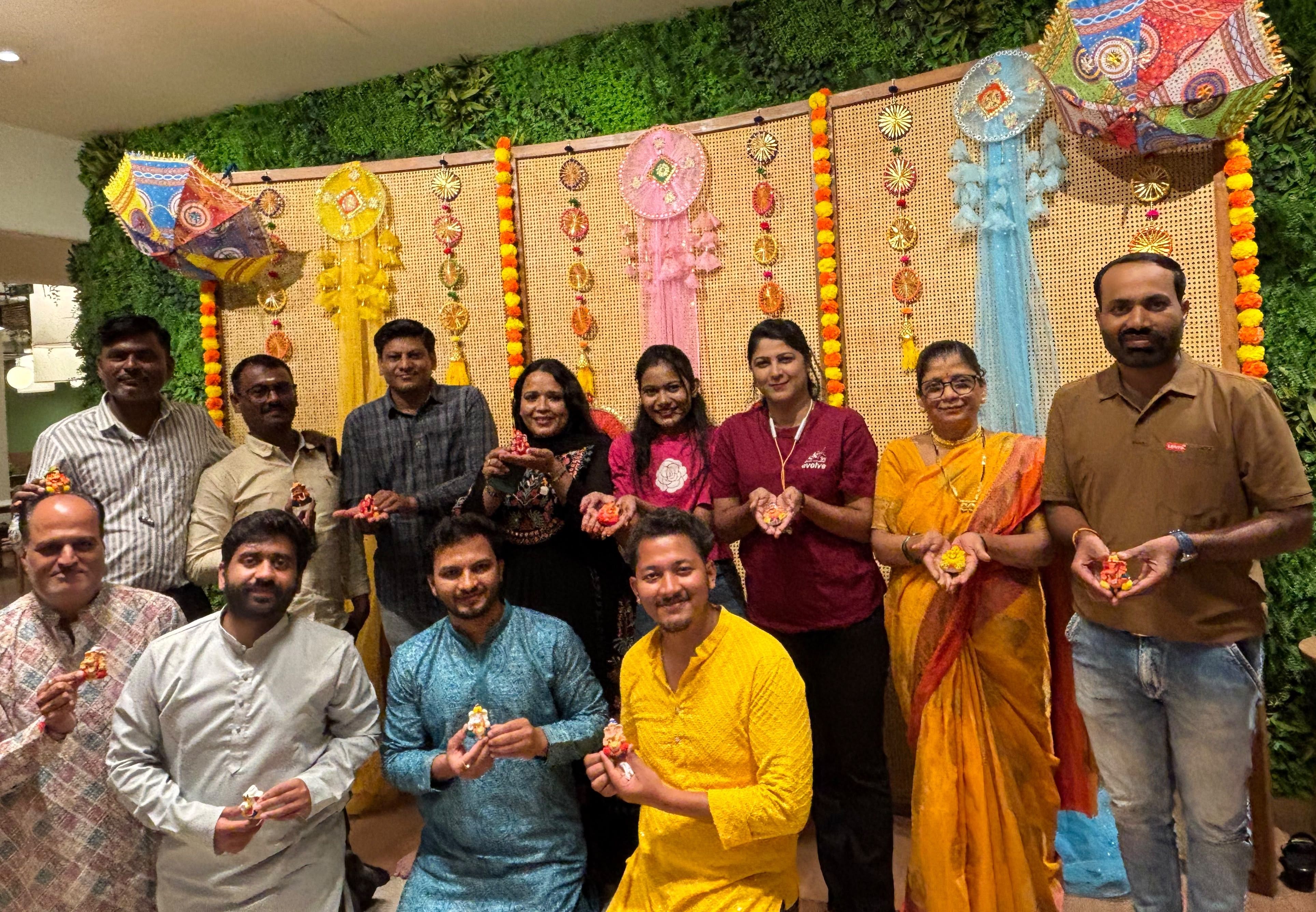
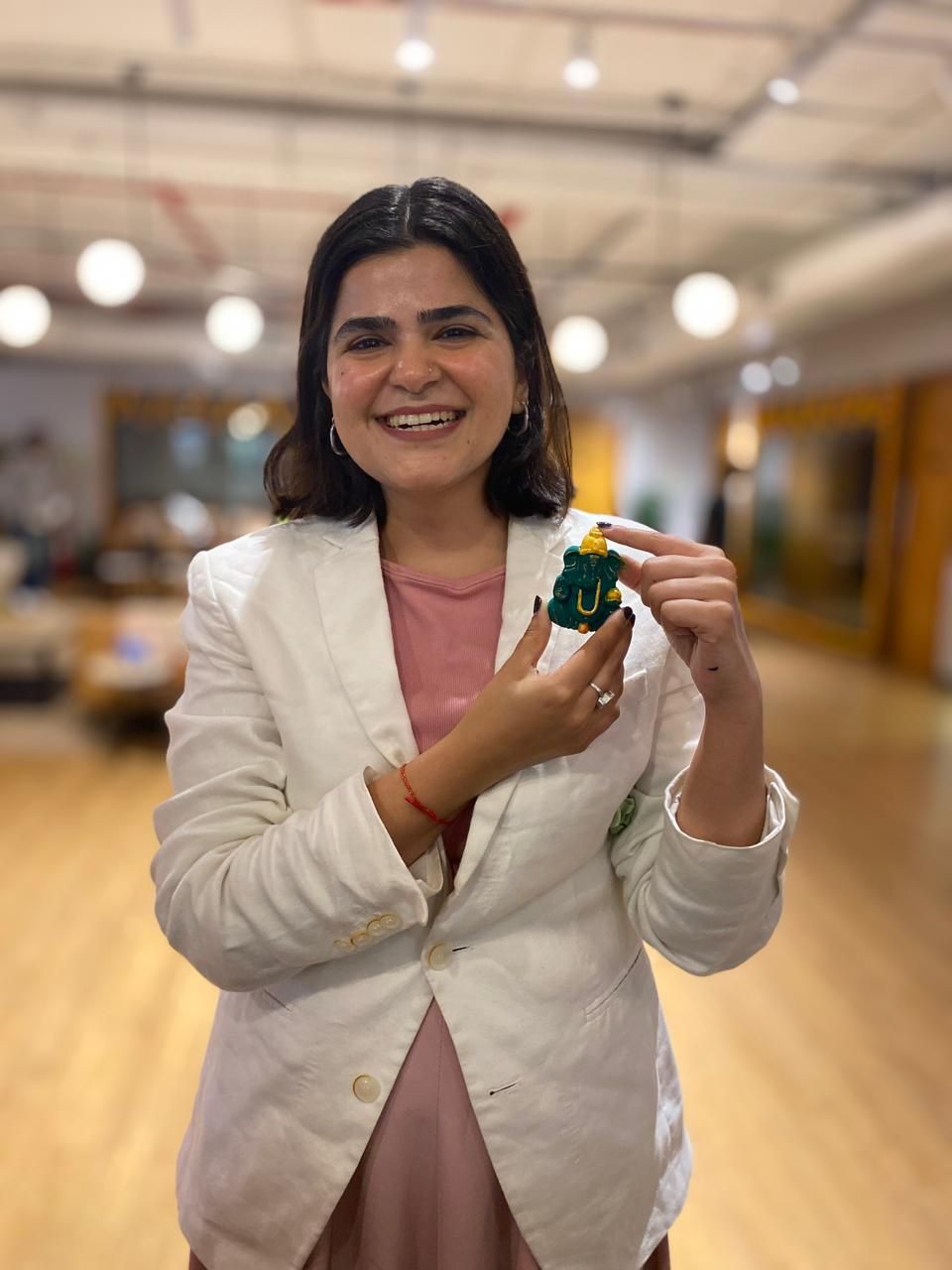
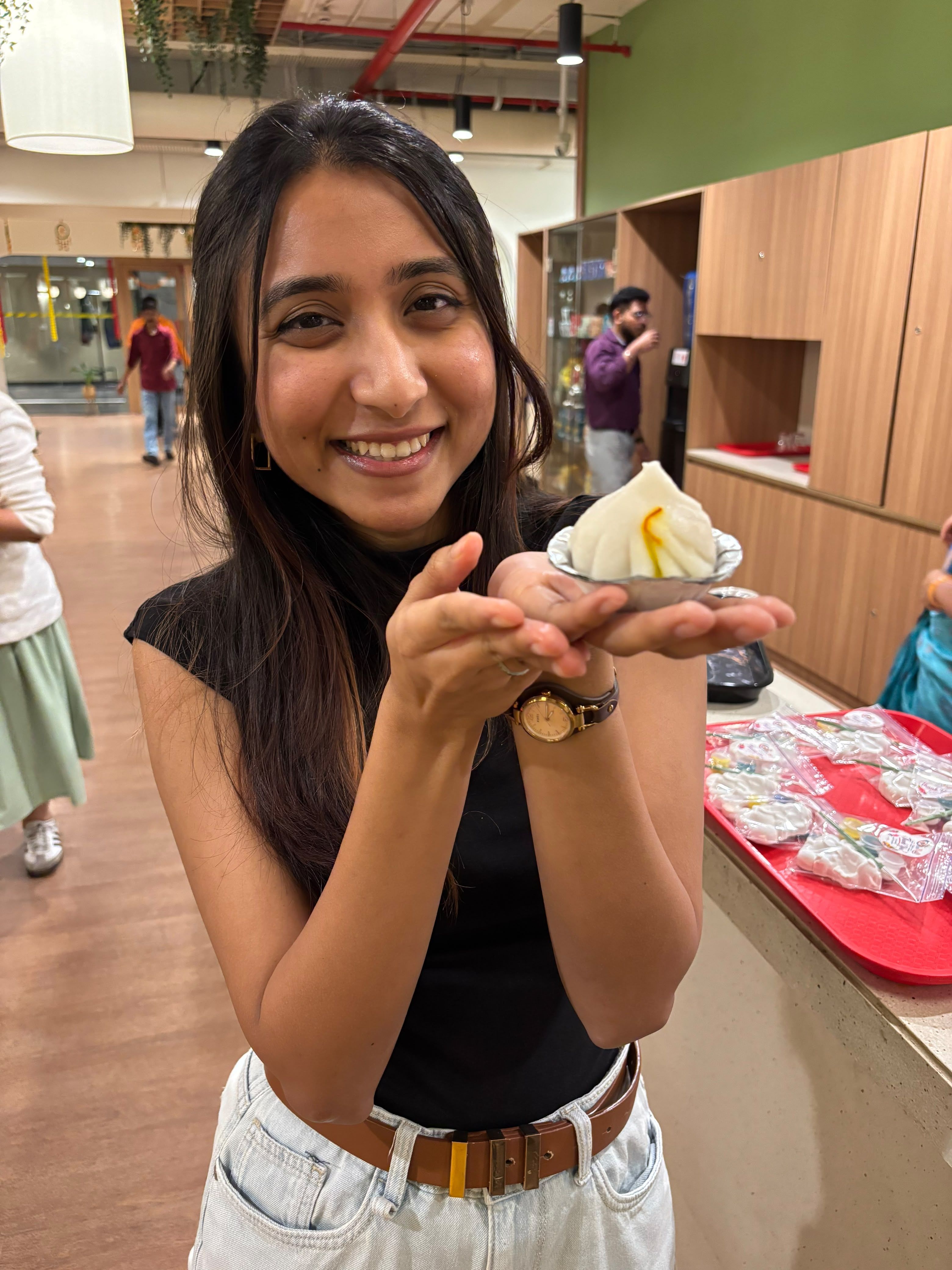
There were hand-painted clay Ganpati idols, festive artwork taking shape across centres, plates of snacks being passed around and people showing up in ethnic wear. Teams that might not otherwise cross paths found themselves around the same table, simply because a festival had given them a reason to.
Nobody had scheduled that part. Nobody needed to.
This time, the occasion was Ganesh Chaturthi, especially across Mumbai and Pune. In other cities, it could be Onam, Durga Pujo or Christmas. The festival changes with the city and the season.
What it says about the workplace doesn’t.
The bit that never makes it onto a culture deck
Ask people what they want from their workplace and they'll usually describe something adjacent to an all-hands with better snacks. Watch what actually happens on a festival afternoon instead, and you'll learn more in twenty minutes than in twenty engagement surveys. People don't gather because someone told them to build relationships. They gather because there's a reason to stand still in one place, for once, with no agenda attached to it. It isn't complicated. It's just rare, because most workspaces were never built with room or the appetite for it.
A satellite office starts from nothing
This matters more, not less, the further an office sits from headquarters. A team of forty people opening in a new city doesn't inherit ten years of an in-joke that started in the old building. They walk into a floor plan and whatever the culture becomes, it has to be built from week one. A festival is one of the few naturally occurring excuses to do that quickly, in public, without anyone having to explain why it matters.
An office that leaves space for something people shape with their own hands, a shared plate of something warm, and forty minutes where nobody's rushing anywhere, tells a new team something no onboarding deck can. This is a place where things happen. The work still gets done, but that isn't the whole story of the place.
What really stays with people
None of this shows up on a balance sheet in any obvious way, and that's probably why it gets left out of most conversations about office design. What it builds instead is harder to manufacture later: a reason for an ordinary afternoon to feel like something, and for people to stay past the point where leaving early would have been just as easy. It comes from a hundred afternoons like this one, none of them remarkable on their own.
This is the office-as-recruiting-tool argument in its smallest, least strategic form. Not the gym, not the cafeteria menu. Whether a Tuesday afternoon can feel like something.
If the managed office you're about to sign for has no corner where fifty people could gather around a plate of snacks and something they made themselves, that's worth noticing now, not after you've moved in.
Book a walkthrough of an UrbanWrk workspace built with room for the days that don't show up on any calendar.