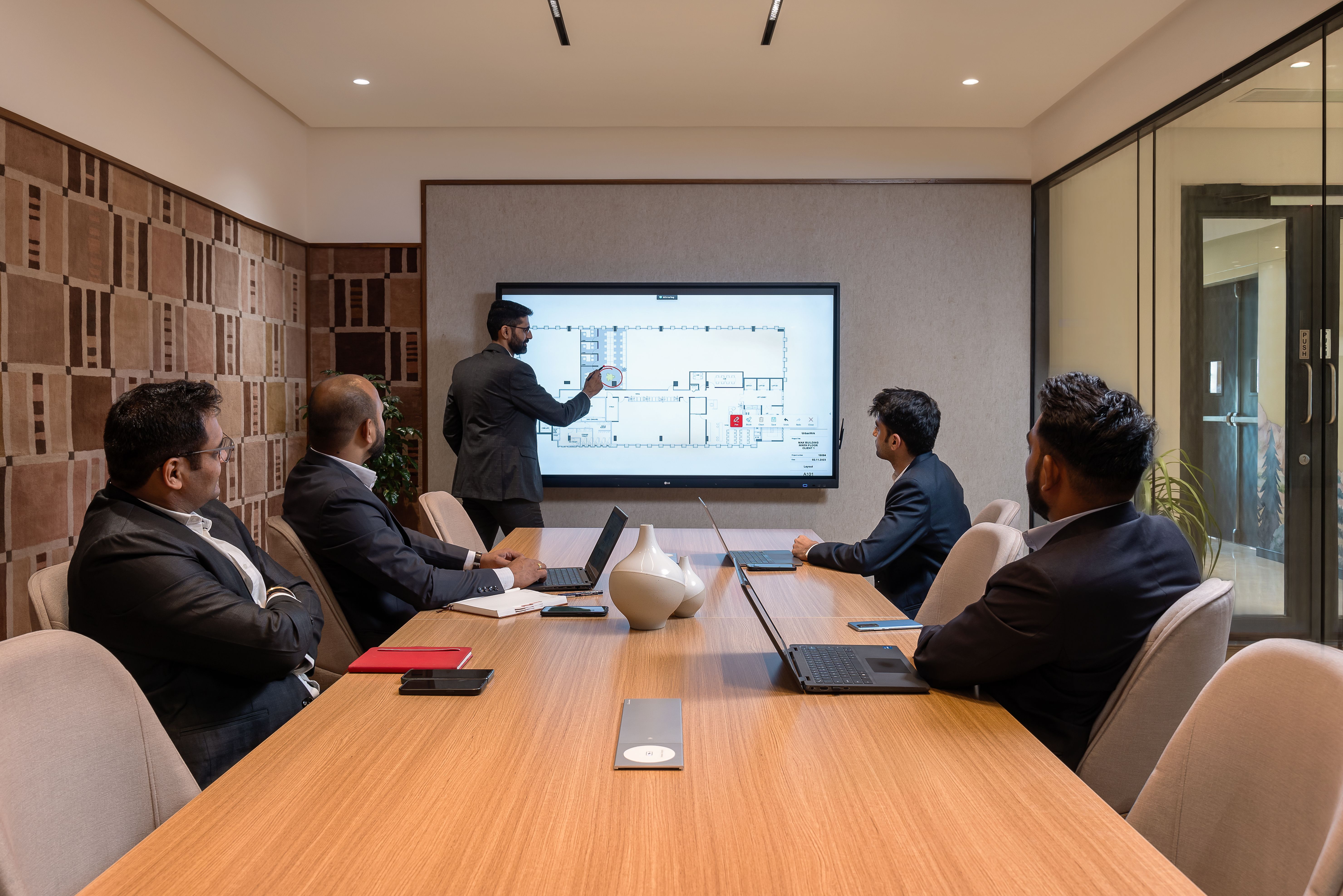
During a walkthrough on a Monday morning, a project manager opens a small, unmarked door near the pantry. That's the server room.
Today’s modern server rooms face core challenges that are often not accounted for during the initial build phase such as limited power capacity, restricted cable pathways, inadequate cooling systems, and insufficient space for future expansion, all within the constraints of a nine-year lease.
This is when most enterprise IT Heads meet their new workspace, at fitout stage, where the constraints become permanent, not at design stage, where they were set and finalized.
And the cost shows up in two critical places: network re-architecture, and the months IT spends running production traffic on infrastructure they did not approve.
The Network You Inherit Is the Network You Keep
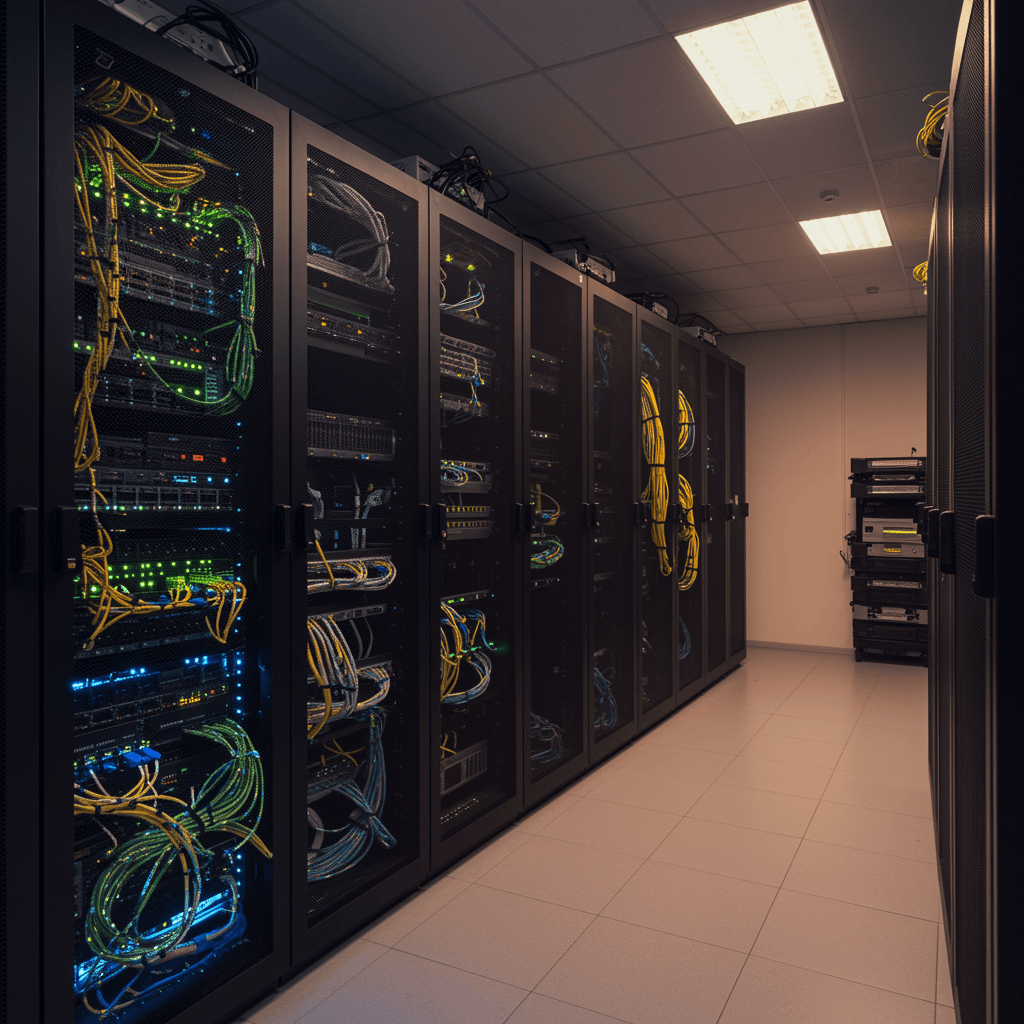
Most enterprise IT teams will tell you the same thing: you can replace the equipment, but the cost of rewiring a finished workspace is expensive, disruptive, and much harder than designing the network correctly the first time.
In most flex workspaces, the network was never designed for one organisation to begin with. Every team on the floor runs on the same underlying architecture, the same cabling, the same network, the same routing which is designed once and then applied to everyone.
The bigger question now shifts from what equipment is installed to whether one shared design can answer what an enterprise IT team actually asks of it: dedicated internet circuits, network segregation through VLAN's, separate Wi-Fi networks, private connectivity options and security monitoring built in rather than bolted on.
A network built for the whole floor rarely satisfies all five for any single team on it. Too often, the common IT infrastructure was planned for operator efficiency, by an operator optimising for their own costs, not any one client’s security needs.
So, Enterprise IT teams do the only thing left to them: they build a second network alongside it: their own cabling, their own connectivity, their own access controls. The original network does not disappear. It becomes the one nobody trusts with anything that matters, and the one you keep paying for.
The Hidden Cost of Going Live Before IT Is Ready
Every office fitout carries a hidden risk that rarely appears in project budgets or timelines: the gap between the day a floor goes live and the day its IT infrastructure is enterprise – ready.
What may appear to be a simple scheduling delay is often significant operational risk. While office floors can be occupied within weeks, critical infrastructure systems require considerably more time to be fully tested, integrated and stabilised.
When this gap is overlooked, organisations can face costly consequences. A prime example is reworking structured cabling after occupancy which can cost three to five times more than integrating it during the design phase, while also disrupting ongoing business operations.
During this interim period, enterprises may run business-critical workloads on temporary infrastructure that IT has not signed off on, and the bill arrives later as security gaps, compliance exposure, uptime incidents, and audit findings no one wanted. Different symptoms, one cause: IT was bought in after the critical decisions were made.
For large enterprises and GCCs, this has stopped being an IT footnote. It now shapes how occupiers judge a workspace at all.
The differentiator is no longer how quickly a workspace opens, it is how reliably it operates from day one.
-
Business continuity
-
Disaster recovery readiness
-
Scalability for growth
-
Regulatory compliance
-
Cybersecurity posture
-
Operational resilience
Designed In, Not Worked Around
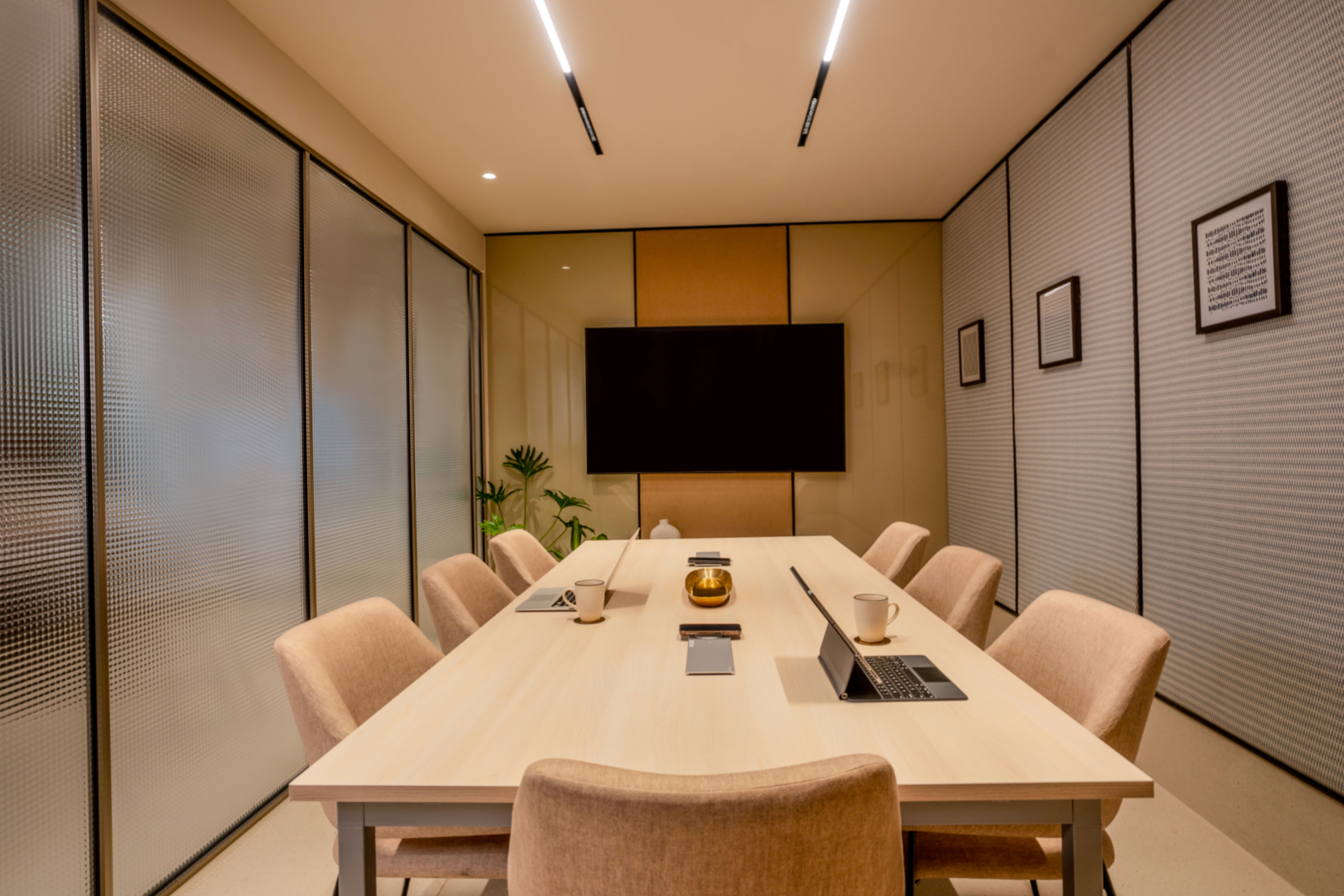
At UrbanWrk, IT infrastructure is planned into the base build, not bolted on at fitout. Across our workspaces, network readiness, scalability, and operational continuity are designed into consideration even before the project goes into development.
In today’s day and age, a workspace is no longer judged on whether it can just be occupied by a 15+ member team or if the space just looks good and is functional. It is judged on whether it can carry the pace, scale, and reliability your teams depend on every day?
The other important question is can a workspace support your enterprise's security, compliance, performance, business continuity, and scalability requirements not only today but throughout our growth journey.
Walk into an UrbanWrk centre with your IT lead and review the server room, riser, and network architecture, before they become permanent.
Sources: