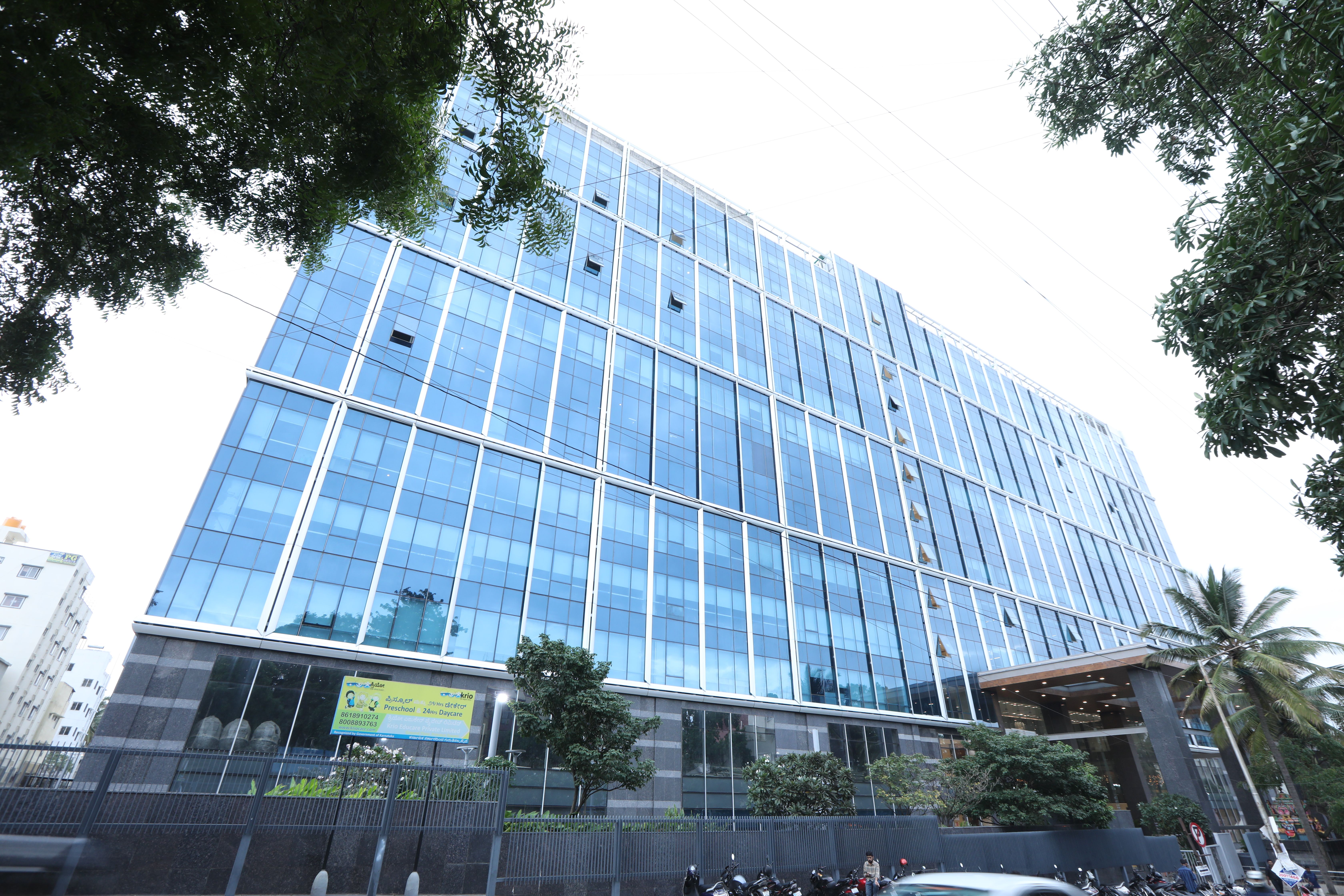
Grade “A” is a term you’ll hear often when looking for commercial real estate, it's a familiar part of industry conversation.
Open a list of commercial properties today, and you’ll likely find the label attached to most of them.
But the real question is: What exactly earns a building that label? Not every Grade A building delivers the same experience.
And when you're setting up a 120-seat office in a major Tier -1 city on a tight timeline, choosing functionality over aesthetics is the most important decision. Make a bad choice and you find out in the first quarter: the power trips and the air-conditioning struggles with a full floor.
There is no shortage of buildings in India called Grade A. However, far fewer that live up to the name.
No One-Standard-Fits All
Grade A is generally understood through a set of broad industry benchmarks rather than a single, universally applied certification. Definitions can also vary by market, building type and local context, which means the term may not always indicate the same specifications across properties.
In India, building grades are typically assessed against a range of factors, from location and physical infrastructure to building systems, amenities and, in some cases, sustainability credentials. The classification can also influence how a property is positioned and priced in the market.
This leaves room for interpretation. Two people who know the market well could assess the same building differently. Which is why Grade A works best as an opening question, with the actual specifications having the final word.
What it was meant to promise
Strip away the brochure language and Grade A was always a promise about risk. It told you the building would keep working, day after day, without you having to think about it.
Indian enterprises now expect a building that genuinely earns the grade, with LEED or IGBC certification, intelligent building management, and backup for both power and fibre. The market reflects this. Green certification across India's Grade A office stock has risen from about 39% in 2020 to 66% in the first half of 2026, according to JLL, and Colliers expects nearly 80% of this year's office leasing to go to green-certified buildings.
That leaves about 40% of Grade A space without a green certificate, so ask to see one. It is a quick first check, but it covers only part of the promise. These five questions show whether a building runs the way its grade suggests.
Ask these 5 questions to ask before you sign
-
Ask which specifications and benchmarks have been considered, particularly around infrastructure, building systems, access and amenities.
-
What happens if the power goes out? Understand the building’s power backup capacity, what it covers and how regularly the systems are tested.
-
What sustainability certifications does the building hold? Look at the certification, when it was awarded and whether it relates to the building’s design, construction or ongoing operations.
-
Who manages the building day to day? Understand who is responsible for building operations, maintenance and issue resolution, and what service standards are in place.
-
How efficiently is the space planned? Ask about the building’s efficiency ratio and understand how much of the area you are paying for translates into usable workspace.
Look back at the five questions and a common thread runs through them. The building is critical, long before your team can choose a workstation, a colour palette or a meeting room layout. A thoughtfully designed workspace cannot make up for a building the order matters: the building first, the workspace second.
The building matters, even before the specifications
That order shapes how UrbanWrk values the Grade A label. We don't own the buildings we operate in, which means we make it a conscience decision to choose the right one on behalf of every team that works with us.
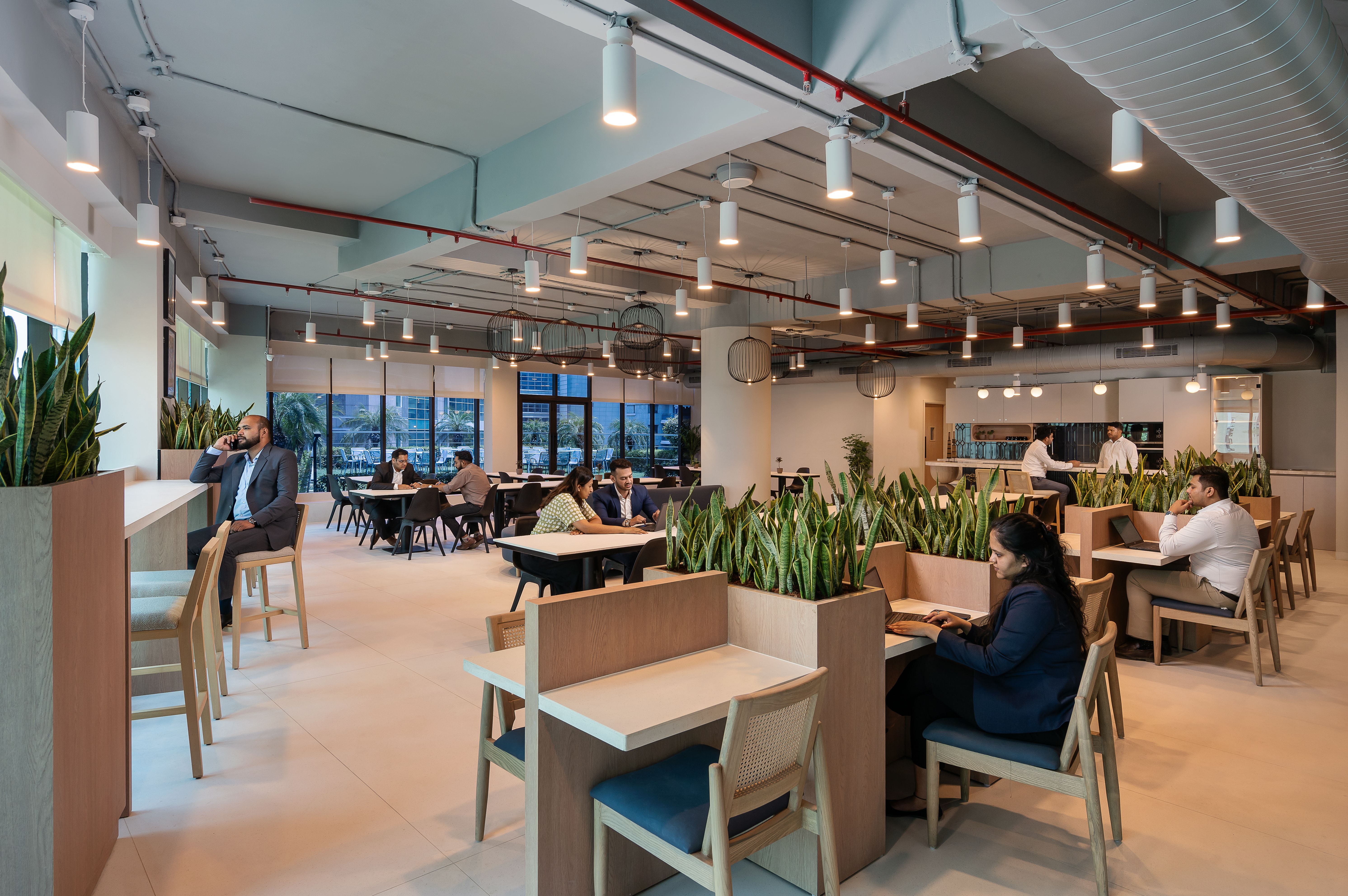
The standard continues within. UrbanWrk spaces hold IGBC Platinum certification, incorporate biophilic design and are supported by enterprise grade technology infrastructure. More than 250 enterprise teams, including Capgemini, Toyota, Air India, and GE among others, work from our spaces. Some chose a tailormade office built to their brand spec, delivered in 45–60 days. Others moved straight into UrbanWrk Studios, ready from day one.
Expanding into a new city this year? Bring these five questions to us, or ask your property partners to bring them on your behalf. We will be sure to answer.
Sources: